Equality and brotherhood for all was one of the key tenets of the state ideology in the USSR. In the best country in the world, we were supposed to have built communism by 1980 and live without hardship, to live entirely differently. But over time, the great empire disappeared, and with it, the national idea.
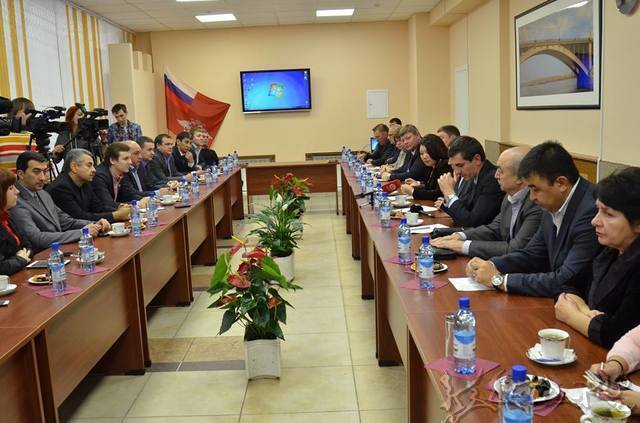
We lost not only the Soviet Union — we lost cooperative ties with the former Soviet republics, which became independent states,” said Doctor of Historical Sciences, Professor, and Director of the Krasnoyarsk branch of the Russian Academy of Education’s University, Nikolai Ivanovich Drozdov, at one of the round tables.
At the same round table, experts raised the issue of the role played in Siberia by public organizations, community leaders, and, of course, the “institutions” of the state — whether they be local governments, oversight bodies, migration services, trade bodies, or other state-funded entities.
We lost not only the Soviet Union — we lost cooperative ties with the former Soviet republics, which became independent states,” said Doctor of Historical Sciences, Professor, and Director of the Krasnoyarsk branch of the Russian Academy of Education’s University, Nikolai Ivanovich Drozdov, at one of the round tables.
At the same round table, experts raised the issue of the role played in Siberia by public organizations, community leaders, and, of course, the “institutions” of the state — whether they be local governments, oversight bodies, migration services, trade bodies, or other state-funded entities.
Renowned educator and professor at the Astafyev Krasnoyarsk State Pedagogical University, Maria Ivanovna Shilova, has repeatedly highlighted in her work the invaluable experience of cooperation and coexistence among numerous ethnic groups.
In her book The Siberian Character as a Value, she advocates for universal recognition of the great cultural unity of Siberians. The term “Siberian character” itself can be used to illustrate the moral and spiritual formation of Siberians, people of different nationalities. Through the necessity of surviving in harsh natural conditions and through heroic labor, this character was shaped, incorporating the most valuable traits of the many peoples living beyond the Urals.
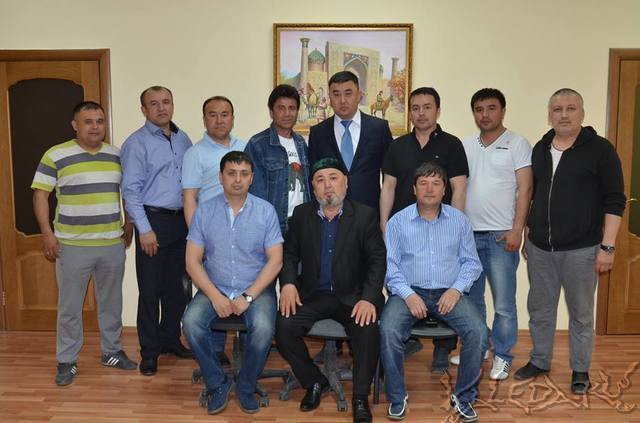
It was with those who have truly established themselves in Siberia and become leaders of national communities that the Mayor of Krasnoyarsk met. The heads of various communities (Tatar, Uzbek, Armenian, Polish, Ukrainian, and others) essentially act as communicators for their compatriots in other countries.
In her book The Siberian Character as a Value, she advocates for universal recognition of the great cultural unity of Siberians. The term “Siberian character” itself can be used to illustrate the moral and spiritual formation of Siberians, people of different nationalities. Through the necessity of surviving in harsh natural conditions and through heroic labor, this character was shaped, incorporating the most valuable traits of the many peoples living beyond the Urals.
It was with those who have truly established themselves in Siberia and become leaders of national communities that the Mayor of Krasnoyarsk met. The heads of various communities (Tatar, Uzbek, Armenian, Polish, Ukrainian, and others) essentially act as communicators for their compatriots in other countries.
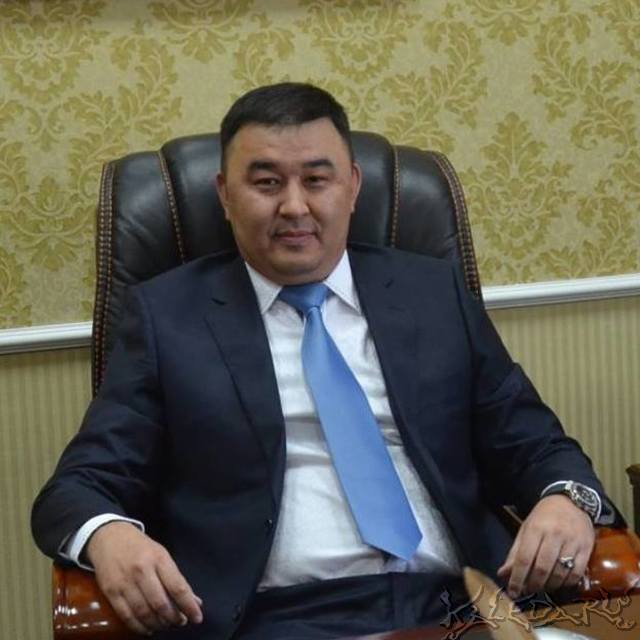
Zafar Safarov:
“This year has shown that with the arrival of the new governor of the Krasnoyarsk Territory and the new mayor of the city, national policy has changed dramatically. We’ve started being invited to meetings; we’re being consulted, asked questions we have to answer — which means we must work, think, and grow. In recent years, we hadn’t felt this kind of attention toward us.
The meeting, which brought together representatives from all the regional and city-based communities, was significant primarily because it addressed the need to create adaptation and consultation centers for working with immigrants, and it was decided to establish a consultative council under the mayor, made up of the heads of all public associations. And how else could it be?
We, the Uzbeks of Krasnoyarsk, created such an adaptation and consultation center — ‘Dustlik’ (‘Friendship’) — back in 2004. It has been developing and improving its technical and material base: a hotel is being built, classrooms are being opened for vocational training, Russian language courses, history lessons, and so on. The main goal of the center is to give newcomers a chance to settle in their new place.
How was our center born? With the increase in migration, we began to encounter compatriots in very difficult life situations. The consultation and adaptation center started helping people find a way out of such challenges. At a meeting of the ‘Commonwealth’ organization, we decided to work proactively — to protect fellow citizens from facing such obstacles. We conduct outreach, provide consultations.
Today, the ‘Commonwealth’ acts as a representative of the Republic of Uzbekistan’s Bureau of Employment. Citizens arriving through its referral to the Krasnoyarsk Territory are immediately placed in comfortable accommodation, quickly issued medical certificates and documents, and can calmly begin work with their employer.
Since 2013, we have been running short-term vocational courses at Krasnoyarsk Lyceum No. 1 for newcomers. At the end of May this year, the first 60 people received their diplomas. My position as an Uzbek is that all citizens of Uzbekistan should come here only through the Republic’s Ministry of Labor in order to avoid various bureaucratic problems.
Our experience shows that every organization should have such a center. Some people have relatives here, others don’t. Some can adapt to the social environment of a new city easily, for others it’s difficult. Incidentally, in the seven years our Center has operated, we have never had a single accident, and all our fellow citizens who came to Krasnoyarsk returned home.
This is important and relevant. We accompany everyone.
The meeting at the migration center with the mayor is a new practice. It concerns both immigrants and us, the heads of public organizations, and it gives a boost to the development of interethnic relations. Mayor Akbulatov’s proposals were well-received by the National Council (even if it’s still only nominal). There are already new initiatives, people have begun preparing letters and requests. Some are adopting our practices. In my memory, there have never been meetings at this level before.
Edkham Akbulatov suggested allocating the KrasTEK Palace of Culture for a ‘House of Friendship.’ The idea is excellent — in many cities of Russia, such centers have existed for years. There must be a socio-cultural center — a venue for communication, round tables, meetings. And it must be accessible to all. The main thing is that people won’t have to run around looking for venues to rent for events. The halls of the House could be used in turn, and immigrants of different nationalities would meet more often.
The building is beautiful, conveniently located — in an area traditionally inhabited by people of different nationalities, near a bus terminal and the intercity bus station.
It’s a good strategic move, a wonderful idea. In such a ‘House of Friendship,’ each community could create its own museum, for example. We could bring paintings, household items, clothing, costumes, so that any visitor could immerse themselves in the history and culture of a particular nationality. In the future, to broaden the horizons of immigrants and their children and acquaint them with the history, geography, and culture of Krasnoyarsk and the region, excursion routes could be created.
Of course, much would need to be rebuilt and renovated inside the building (it was previously a shopping center), but we’re not afraid of work.
This meeting was, in a sense, a lesson in tolerance from Mayor Edkham Akbulatov — the start of building a bridge of friendship between peoples. Thanks to such meetings, business cooperation improves. When you can communicate directly with the city or regional leadership, you truly understand what they want from us, and we can pass their wishes on to our community — and vice versa. The process works both ways.”
“This year has shown that with the arrival of the new governor of the Krasnoyarsk Territory and the new mayor of the city, national policy has changed dramatically. We’ve started being invited to meetings; we’re being consulted, asked questions we have to answer — which means we must work, think, and grow. In recent years, we hadn’t felt this kind of attention toward us.
The meeting, which brought together representatives from all the regional and city-based communities, was significant primarily because it addressed the need to create adaptation and consultation centers for working with immigrants, and it was decided to establish a consultative council under the mayor, made up of the heads of all public associations. And how else could it be?
We, the Uzbeks of Krasnoyarsk, created such an adaptation and consultation center — ‘Dustlik’ (‘Friendship’) — back in 2004. It has been developing and improving its technical and material base: a hotel is being built, classrooms are being opened for vocational training, Russian language courses, history lessons, and so on. The main goal of the center is to give newcomers a chance to settle in their new place.
How was our center born? With the increase in migration, we began to encounter compatriots in very difficult life situations. The consultation and adaptation center started helping people find a way out of such challenges. At a meeting of the ‘Commonwealth’ organization, we decided to work proactively — to protect fellow citizens from facing such obstacles. We conduct outreach, provide consultations.
Today, the ‘Commonwealth’ acts as a representative of the Republic of Uzbekistan’s Bureau of Employment. Citizens arriving through its referral to the Krasnoyarsk Territory are immediately placed in comfortable accommodation, quickly issued medical certificates and documents, and can calmly begin work with their employer.
Since 2013, we have been running short-term vocational courses at Krasnoyarsk Lyceum No. 1 for newcomers. At the end of May this year, the first 60 people received their diplomas. My position as an Uzbek is that all citizens of Uzbekistan should come here only through the Republic’s Ministry of Labor in order to avoid various bureaucratic problems.
Our experience shows that every organization should have such a center. Some people have relatives here, others don’t. Some can adapt to the social environment of a new city easily, for others it’s difficult. Incidentally, in the seven years our Center has operated, we have never had a single accident, and all our fellow citizens who came to Krasnoyarsk returned home.
This is important and relevant. We accompany everyone.
The meeting at the migration center with the mayor is a new practice. It concerns both immigrants and us, the heads of public organizations, and it gives a boost to the development of interethnic relations. Mayor Akbulatov’s proposals were well-received by the National Council (even if it’s still only nominal). There are already new initiatives, people have begun preparing letters and requests. Some are adopting our practices. In my memory, there have never been meetings at this level before.
Edkham Akbulatov suggested allocating the KrasTEK Palace of Culture for a ‘House of Friendship.’ The idea is excellent — in many cities of Russia, such centers have existed for years. There must be a socio-cultural center — a venue for communication, round tables, meetings. And it must be accessible to all. The main thing is that people won’t have to run around looking for venues to rent for events. The halls of the House could be used in turn, and immigrants of different nationalities would meet more often.
The building is beautiful, conveniently located — in an area traditionally inhabited by people of different nationalities, near a bus terminal and the intercity bus station.
It’s a good strategic move, a wonderful idea. In such a ‘House of Friendship,’ each community could create its own museum, for example. We could bring paintings, household items, clothing, costumes, so that any visitor could immerse themselves in the history and culture of a particular nationality. In the future, to broaden the horizons of immigrants and their children and acquaint them with the history, geography, and culture of Krasnoyarsk and the region, excursion routes could be created.
Of course, much would need to be rebuilt and renovated inside the building (it was previously a shopping center), but we’re not afraid of work.
This meeting was, in a sense, a lesson in tolerance from Mayor Edkham Akbulatov — the start of building a bridge of friendship between peoples. Thanks to such meetings, business cooperation improves. When you can communicate directly with the city or regional leadership, you truly understand what they want from us, and we can pass their wishes on to our community — and vice versa. The process works both ways.”